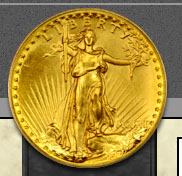
Commemorative coins have been popular since the days of the Greeks and Romans. In the beginning they recorded and honored important events, and passed along the "rivs of the day. Many modern nations have issued commemorative coins, and they are highly esteemed by collectors. No nation has surpassed the United States when it jmes to commemorative coins.
The unique position occupied by commemoratives in United States coinage is largely due to the fact that, with few exceptions, all commemorative coins have real historical significance. The progress and advance of people in the New World are presented in an interesting and instructive manner on the commemorative issues. Such a record of facts artistically presented on U.S. gold and silver memorial issues appeals strongly to the collector who favors the historical side of numismatics. It is the historical features of the commemoratives, in fact, that create interest among many people who would otherwise have little interest in coins.
Commemorative issues are considered for coinage by two committees of Congress: vie Committee on Banking, Housing, and Urban Affairs; and the Committee on Banking and Financial Services of the House; as well as the Citizens Coin Advisory Commitee. Congress is guided to a great extent by the reports of these committees when cassing upon bills authorizing commemorative coins. These special coins are usually issued either to commemorate events or to help pay for monuments or celebrations that commemorate historical persons, places, or things. A commemorative coin is offered in most instances by a commission in charge of the event to be commemorated, and sold at a price in advance of the face value of the piece. Commemorative coins are popularly collected either by major types or in sets with mintmark varieties. During many years, no special commemorative coins were issued.