Small change causes big hassles in Argentina By Katie Paul
Tue Nov 6, 8:56 AM ET
BUENOS AIRES (Reuters) - "We
have no coins," read posters hung all over Marcelo Bostos'
small convenience store in downtown Buenos Aires. The same
signs are at the post office, the bakery, and the train ticket
office.
Although rising
food prices top Argentine financial worries, it is the
coin shortage that really makes people steam and has even
generated a black market in coins.
Paying
for candy, train fare or a spool of thread with a 20-peso
($6.25) bill in Buenos Aires is asking for a temper
tantrum from the clerk. A quick stop for a snack during
your commute is bound to lock you into a battle of wills
with the vendor. Which one will admit to having coins
to pay or make change?
Who has all the coins? Well, bus companies collect fares
in coins only and have begun selling change back to
business owners like Bostos for a fee
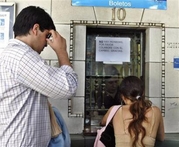
Reuters Photo: Passengers try to pay
for tickets at a train station box office with a sign...
"For every 100 pesos that you give the
bus companies, they give you back only 97," said Bostos,
38. "The reality is, there aren't any coins because it's
a business in Argentina. There are bills, but no coins. It's
a serious situation."
"It's no way to run a business, having
to tell customers that I can't make change," he said.
Authorities say there are 4.5 billion coins
in circulation, enough for Argentina's 40 million people and
$210 billion economy.
The central bank says it put about 250 million
new coins of all denominations into circulation this year
through deliveries to big consumers like supermarkets and
toll collectors. The bank says each coin-using Argentine should
have between 115 and 250 coins at his or her disposal, in
line with other countries in the region.
No way say Argentines, who have stories about
creative ways they gather enough coins for 80 centavo ($0.25)
bus fare or to buy a soda.
Some people give small bills to beggars or
buskers and ask for a smaller-denomination coin in return.
Taxi driver Leonel Ferrer, 31, entrusts a
20-peso bill every morning to porters at a taxi stand who
receive coins as tips.
"Later in the day, I come by and pick
up coins. It requires trust, but, this way, I always have
change in the taxi," he said.
An official at the central bank told Reuters
the problem comes from people hoarding coins in their ashtrays
and pocketbooks.
"Influencing the issue is a cultural
factor ... which is that people tend to hang onto coins in
their homes and, as a result, keep them from recirculating
as they ought to," said the official, who asked not to
be named.