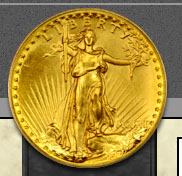
Do you have any proof gold coins that you would be interested in selling or trading? We have developed a customer base over the years that consist of the strongest proof gold coin buyers in the world. If you have proof gold coins, whether they be lower grade circ proofs, thru finest known gem proof gold coin rarities, if they are priced fairly, we will either purchase them outright from you or broker them for a very competitive rate. Please call us 1-941-291-2156 , or contact us with what you have and the price you are looking to get for it and let's talk! Don't know what you think they're worth and want an expert to take a look at them and make you an offer? Ship for fast cash offer or for further discussions on how to get what you deserve. More information on Proof Gold Coins >>>
1854 $3 (1854 Three Dollar Gold) NGC PF62. This rare, proof 1854 Three Dollar Gold Piece has an almost cameo finish with frosted devices contrasting with the fields...More
>>>
1855 Kellogg $50 SS Central America Commemorative Restrike. Completely original, with all accompanying documents in the box and the coin certified by PCGS...More
>>>
1855 Kellogg $50 SS Central America Commemorative Restrike. Completely original, with all accompanying documents in the box and the coin certified by PCGS...More
>>>
1860 Gold Dollar - 1860 Gold $1 NGC PR66 UCAM. Gem Ultra Cameo. Only 154 were struck. This specimen is tied for the highest/finest graded. Less than a year...More
>>>
1862 Quarter Eagle - 1862 $2.50 NGC PF. Despite a light cleaning, this Civil War dated rare proof 1862 Quarter Eagle retains its cameo-like appearance and excellent eye appeal...More
>>>
1862 Half Eagle - 1862 Liberty $5 Gold NGC PR65* CAMEO. (Ex Twin Maples Collection). A grand total of 4,430 half eagles were struck for circulation in 1862, creating a major rarity....More
>>>
1864 $5 (1864 Half Eagle) NGC PF68* Ultra Cameo. This Civil War gold 1864 Half Eagle is a superlative example of a Proof coin that has the highest designation...More
>>>
1867 Eagle - 1867 Proof Eagle - 1867 $10 NGC PF65 CAM. This extremely rare gem proof cameo 1867 Eagle is similar to and as nice as the specimen that is part of the...More
>>>
Proof 1867 Eagle - 1867 $10 PCGS PF55. This exceptionally rare, circulated, proof 1867 Eagle is one of only 8 graded and is the finest known at PCGS. The coin shows light wear on its highest...More
>>>
Proof 1867 Eagle PCGS PR55 - 1867 $10 PCGS PR55. Occasionally a proof coin gets into circulation and is seen with the same type of wear as a circulation quality strike...More
>>>
1868 G$1 (1868 Gold Dollar) NGC PF63. Proof One Dollar Gold. This proof cameo 1868 Gold Dollar is fully struck and shows complete details, as expected for a proof coin...More
>>>
Proof 1868 Three Dollar Gold PCGS PR55 CAC - 1868 $3 PCGS PR55 CAC. This slightly circulated, still attractive, proof 1868 Three Dollar Gold piece has bright devices that contrast with...More
>>>
Proof 1869 Gold Dollar - 1869 G$1 PCGS PR64 CAC. Here is an extremely rare, low mintage Proof 1869 Gold Dollar that comes in an OGH (old green holder). The coin is tied for...More
>>>
1870 G$1 (1870 Gold Dollar) NGC PF63. Pitman Collection. Proof One Dollar Gold. This rare, proof 1870 Gold Dollar comes with the provenance of the famous...More
>>>
1872 Half Eagle - 1872 $5 NGC PF55. Occasionally a proof coin enters circulation and is subjected to all the hazards of a circulation strike. The original proof characteristics...More
>>>
1872 $3 (1872 Three Dollar Gold) NGC PF64 CAM CAC. This rare, mint state, proof cameo 1872 Three Dollar Gold piece had a tiny original mintage of 30...More
>>>
1874 Quarter Eagle (1874 $2.50) NGC PR65 Ultra Cameo. The 1874 proof quarter eagle is a wonderful example of how public exposure and demand can influence...More
>>>
Proof 1876 Eagle - 1876 $10 NGC PF64 UCAM, CAC. This very low mintage, near-Gem, ultra cameo Proof 1876 Eagle is tied for the second finest known at NGC and is the finest at PCGS...More
>>>
1879 $3 Three Dollars Gold, NGC PF65 Ultra Cameo. Blasty PQ. Very rare. Mintage 30. Among the finest known from a miniscule mintage of just 30 pieces...More
>>>
1879 $2.50 (1879 Quarter Eagle) NGC PF67 CAMEO. This superb, rare proof cameo 1879 Quarter Eagle is everything one would expect from a superior coin made...More
>>>
1879 $3 (1879 Three Dollar Gold) NGC PF65 CAM. This spectacular, extremely rare, gem 1879 Three Dollar Piece is tied for finest certified cameo proof at NGC and PCGS...More
>>>
1879 Gold Dollar - 1879 G$1 PCGS PF64 CAMEO CAC. This rare cameo proof 1879 Gold Dollar is tied for second finest at PCGS and third finest at NGC. This 1879 Gold Dollar...More
>>>
1879 $4 Gold Stella Flowing Hair NGC PF66. This lovely proof 1879 $4 Gold Stella has a cameo appearance resulting from frosted, lustrous devices on darker fields...More
>>>
1883 Quarter Eagle (1883 $2.50) PCGS PR64. Housed in a green label holder; if certified today, this near-Gem would doubtless warrant a Cameo designation...More
>>>
1885 Half Eagle (1885 $5) PCGS PF62 CAM. The coin that is displayed for your consideration is a spectacular 1885 $5 gold half eagle graded PR-62 Cameo by PCGS...More
>>>
1885 Quarter Eagle $2.5 NGC PR66 Cameo. Amazing 1885 Proof Quarter Eagle Came. This Liberty quarter eagle proof issue is famous for its association...More
>>>
Proof 1886 $3 (1886 Three Dollars Gold), Indian Princess, PCGS PF62 Cameo CAC. A super sharp strike and cameo effect contribute to the eye appeal of this 1886 Three Dollar...More
>>>
1887 Half Eagle $5 NGC PF64 CAMEO. A total of 87 half eagles were struck at the Philadelphia Mint in 1887. No circulation strikes were struck this year...More
>>>
1887 $3 (1887 Three Dollar Gold) NGC PF63 CAMEO. Proof Three Dollar Gold. Like all well-made proof coins this rare, three-dollar proof specimen is boldly struck...More
>>>
1887 Quarter Eagle - 1887 $2.50 NGC PF66 CAM. This outstanding proof 1887 Quarter Eagle is tied with one other for the finest known at both NGC and PCGS...More
>>>
Proof 1887 Double Eagle - 1887 $20 PCGS PR62 CAMEO, CAC. This exceedingly rare, Type 3 Proof 1887 Double Eagle is the finest known at PCGS and the second finest at CAC...More
>>>
Proof 1887 Gold Dollar - 1887 G$1 PCGS PR63 CAM. The stark cameo contrast on this fresh, rare 1887 proof gold dollar creates excellent eye-appeal. The surfaces are original and clean...More
>>>
1888 $2.50 (1888 Quarter Eagle) NGC PF64 CAM CAC. All proof Liberty Head 1888 Quarter Eagles are rare with 223 being the highest mintage in the series. The 1888 had a scant...More
>>>
1889 Three Dollar Gold - 1889 $3 PCGS PF62 CAM. This rare Proof Cameo 1889 Three Dollar Gold coin has bright, satiny devices that contrast with darker, mirrored fields...More
>>>
1889 Quarter Eagle - 1889 Proof Quarter Eagle - 1889 $2.50 NGC PF64+ CAC. This rare 1889 Proof Quarter Eagle comes with the provenance of the famous Byron...More
>>>
1893 Quarter Eagle (1893 $2.50) NGC PR63 UCAM. A gorgeous example of this low mintage proof gold coin. Only 106 proofs of the smallest gold denomination...More
>>>
1894 $2.50 (1894 Quarter Eagle) NGC PF66 UCAM. Proof Quarter Eagle. This rare, ultra cameo 1894 Proof Quarter Eagle is tied for third finest at NGC and second at PCGS...More
>>>
Proof 1894 Eagle - 1894 $10 NGC PF63 CAM. Here is a razor-sharp, low mintage ( 43 ) 1894 proof Cameo eagle that has the look of classic proof gold...More
>>>
1895 Quarter Eagle (1895 $2.50) NGC PF66 Ultra Cameo. With a mintage of 119 coins and a surviving number which is estimated to be between 50 and 70 pieces...More
>>>
1896 Eagle (1896 $10) NGC PF65 Ultra Cameo. Presently offered is one of the finest known Proofs of the 1896 ten dollar gold piece, surviving from a miniscule mintage of just 78 pieces...More
>>>
1896 $20 (1896 Double Eagle) NGC PF62 UCAM. Type 3 Double Eagle. This rare, ultra cameo, proof 1896 Double Eagle has frosted devices and mirrored fields, as expected for a coin...More
>>>
1896 Half Ealge - 1896 $5 PCGS PR64+ DCAM CAC. This outstanding 1896 Proof Half Eagle is the third finest known at PCGS and tied for second finest at CAC. As expected...More
>>>
1898 $2.5 Quarter Eagle NGC PF61 Cameo, CAC. With a mintage of just 165 pieces, all Proof 1898 quarter eagles are scarce. The example we offer here is a relatively affordable...More
>>>
1898 $2.50 (1898 Proof Quarter Eagle) NGC PF61+, CAC. NGC Plus. With an original mintage of 165, the 1898 Proof Quarter Eagle is rare in all grades...More
>>>
1898 Proof Double Eagle - 1898 $20 PCGS PR58. This slightly circulated, rare, proof 1898 Double Eagle has a cameo-like appearance because of its frosted devices against...More
>>>
1898 Half Eagle - 1898 $5 NGC PF62 CAM. This low mintage, Type 2, proof cameo 1898 Half Eagle is original and has excellent eye-appeal. While some hairlines and contact marks show...More
>>>
1899 Quarter Eagle $2.50 NGC PF67* Ultra Cameo. The coin that is displayed is an 1899 quarter eagle graded PF67 Ultra Cameo by NGC with the coveted Star designation...More
>>>
1899 Quarter Eagle - 1899 $2.50 NGC PF63 CAM. This low mintage, proof cameo 1899 Quarter Eagle has highly reflective mirror surfaces. They are original and clean for the grade with some...More
>>>
1901 $20 (1901 Double Eagle) PCGS PF50. Occasionally rare proof coins have entered circulation and were treated like ordinary currency. That is certainly the case for this rare...More
>>>
1902 Half Eagle - 1902 $5 PCGS PF58 CAC. This lightly circulated, rare 1902 Proof Half Eagle comes with a CAC sticker, which indicates that the coin is of premium quality and fully deservesMore
>>>
1903 $2.50 (1903 Quarter Eagle) NGC PF64 CAC. This almost cameo proof 1903 Quarter Eagle shimmers with bright mint luster on the devices. A few small marks...More
>>>
1903 $2.50 (1903 Quarter Eagle - 1903 Proof Quarter Eagle) NGC PF62 CAC. This mint state proof Liberty Head 1903 Quarter Eagle shows a sharp strike with frosted...More
>>>
Proof 1903 Half Eagle - 1903 $5 PCGS PR63. Tied for fourth finest at PCGS, this Proof 1903 Half Eagle is rare and desirable. This one was struck in the no-contrast style used by the Mint...More
>>>
1903 Double Eagle - 1903 $20 PCGS PF53 CAC. Occasionally a rare proof coin makes its way into circulation. That is the case with this proof 53 1903 Double Eagle...More
>>>
1904 Double Eagle (1904 $20) PCGS PR65CAM. One of the finest known 1904 proof double eagles, regardless of cameo designation. Although this issue is the most common double eagle...More
>>>
1905 Eagle (1905 $10) NGC PF58 CAC. 1905 $10 Liberty Head, With Motto, NGC PF58, CAC. Out of a miniscule mintage of 86 pieces, it is estimated that only 35-40 survive...More
>>>
1905 Eagle (1905 $10) PCGS PF55. It is always interesting to conjecture how a rare proof coin becomes circulated. Perhaps it was spent during depression years...More
>>>
1905 $20 (1905 Double Eagle) NGC PF53. With an original mintage of 92, the 1905 Proof Double Eagle is rare in all conditions. It is also desirable because of the low mintage...More
>>>
1905 Double Eagle - 1905 $20 PCGS PF58 CAC. This lightly circulated, rare proof 1905 Double Eagle exhibits a full strike, as expected for a proof coin, and somewhat reflective...More
>>>
1905 Double Eagle - 1905 $20 NGC PF53. Type 3 Double Eagle. This attractive, low mintage, circulated Proof 1905 Double Eagle has light wear on its highest points and a few abrasion marks...More
>>>
1905 Eagle - 1905 $10 NGC PF62 CAMEO CAC. With between 55 and 60 pieces known in all grades, the Proof 1905 Eeagle is a rare coin. The coin has lovely, softly frosted devices...More
>>>
Proof 1905 Quarter Eagle - 1905 $2.50 PCGS PF62 CAC. This rare, proof 1905 Quarter Eagle has bright lustrous devices over darker fields. It is just a pinch away from being a cameo...More
>>>
1906 Double Eagle (1906 $20) PCGS PF62. PCGS Secure. This proof 1906 double eagle has creamy yellow-gold devices with mild haze as seen on many proofs of the era...More
>>>
Proof 1906 Eagle NGC PF63 CAM CAC - Proof 1906 $10 NGC PF63 CAM CAC. This rare Choice Proof 1906 Eagle is wonderfully fresh with stunning surfaces that are original and...More
>>>
1907 Half Eagle PCGS PR63. Blasty vintage orange tone. Green old holder. The second to last year that the Liberty Head design was used on the half eagle, in use since its introduction in 1839...More
>>>
1907 High Relief (1907 $20 High Relief) Wire Edge, NGC PF64. This outstanding proof 1907 High Relief Double Eagle sparkles with bright mint luster shining on the...More
>>>
1907 $20 Liberty (1907 Double Eagle Liberty) NGC PF55. The last Proof $20 Liberty. This rare, circulated, last-year-of-type coin has all the striking characteristics of a proof...More
>>>
Proof 1907 Double Eagle Liberty - 1907 $20 NGC PF58. This rare, last-year-of-type 1907 Proof Double Eagle was rescued from circulation before it became too heavily abraded...More
>>>
1908 $2.50 (1908 Quarter Eagle) NGC PF67. This matte proof Indian head 1908 Quarter Eagle has original mustard colored surfaces and nearly complete knife-rims on both sides...More
>>>
1910 $2.50 Indian (1910 Quarter Eagle) NGC PF66. This superb proof 1910 Quarter Eagle is a visual masterpiece. It has impeccable surfaces and none of the handling marks...More
>>>
Proof 1910 Quarter Eagle - 1910 $2.50 Indian Head NGC PF66. Brilliant, Roman finish surfaces characterize this Proof 1910 Quarter Eagle Indian Head. It shows no visible hairlines...More
>>>
1910 Indian Head Quarter Eagle, NGC PF66. Second and final year of the Roman Finish quarter eagles, this Indian quarter eagle is a prime example of this scarce and curious issue...More
>>>
1911 $5 (1911 Half Eagle) NGC Proof. This lovely, fully struck, proof 1911 Half Eagle shows subdued mint luster within its devices. Were it not for the slight damage at star 7...More
>>>
1911 Quarter Eagle - 1911 $2.50 Indian PCGS PF65. This Gem proof 1911 Indian Quarter Eagle has a granular matte finish similar to that of the proofs of 1908. It could have...More
>>>
1913 Indian Head Quarter Eagle (1913 $2.50 Indian) NGC PF67. Even while Matte Proof Indian Quarter Eagles are often found in higher grades, it would be hard to surpass the quality...More
>>>
1914 $2.50 Indian (1914 Quarter Eagle Indian) NGC PF64. This rare, Sand Blast or Matte proof 1914 Quarter Eagle glows with subdued mint luster. As expected for a proof coin...More
>>>
J-67 1836 Gold Dollar G$1 PCGS PR63 CAMEO, CAC. J-67, P-70, R-5. Struck in a composition of 90% gold and 10% copper, this is the first pattern gold dollar...More
>>>
J-67 1836 G$1 Pattern (J67 1836 Gold Dollar Pattern) NGC PF67. R-5. Gold Gobrecht $1! This exceptional proof 1836 Gold Dollar Pattern is tied for the finest known at...More
>>>
1916 McKinley Gold Dollar, PCGS PR63. Gorgeous. Green old holder. Only 6 known! 1916 McKinley Memorial G$1, PCGS PR63. Jeff Garrett and Ron Guth, in their Encyclopedia...More
>>>
Do you have any proof gold coins that you would be interested in selling or trading? We have developed a customer base over the years that consist of the strongest proof gold coin buyers in the world. If you have proof gold coins, whether they be lower grade circ proofs, thru finest known gem proof gold coin rarities, if they are priced fairly, we will either purchase them outright from you or broker them for a very competitive rate. Please call us 1-941-291-2156 , or contact us with what you have and the price you are looking to get for it and let's talk! Don't know what you think they're worth and want an expert to take a look at them and make you an offer? Ship for fast cash offer or for further discussions on how to get what you deserve. More information on Proof Gold Coins >>>