U.S. Rare Coin Investments
for decades has consistently offered better quality in rare
coins. We are of course known as Rare Coin Dealers, and Gold
Coin Dealers but our menu of rare coins includes Gold Coins,
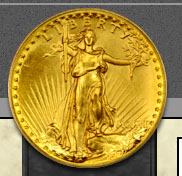
Rare Coins, Double Eagle Gold Coins, Silver Dollars, World
Gold Coins, World Silver Coins, Better date gold coins, Early
US Gold, Proof Gold Coins, Civil War Coins and much more !
U.S Rare Coin Investments offers collectors and
investors the finest PCGS and NGC certified rare coins in the
world. We literally cherry pick thru tens of millions of dollars
in better date gold coins, early silver dollars, pattern
coins and other quality numismatic rare coins to bring you the
best this market has to offer, and at the greatest value.
For decades
we have strived to bring you unparalleled market reach coupled
with personal and confidential service exceeded by no one
else in the industry and we thank you for your continued business.
Rare Coin Price List
- Coin
Archive - Gold Coins- Gold Coins for Sale - US Early Type
Gold Coins - World Gold Coins - Buying Gold Coins - Coins for Sale